
Giving an Effective Passenger Briefing for Every Flight
- Flaps Full

- Jan 10
- 5 min read
Beyond your first solo or earning your licence, one of the most exciting milestones in your aviation career is taking your first real passenger. Throughout flight training, your instructor and flight test examiner will act as a passenger, but of course, they are both pilots. The key difference when flying with non-pilots is their level of knowledge. Most passengers have little to no familiarity with aviation, and many may be flying in a small single-engine aircraft for the very first time.
That’s exactly why a thorough passenger briefing is so important. In addition to being required by the Canadian Aviation Regulations (CARs), an effective briefing plays a critical role in both normal and emergency operations. A well-delivered passenger brief sets expectations, builds confidence, and ensures everyone on board understands their role in the flight.
At a minimum, your passenger briefing should accomplish three things:
Ensure your passengers understand all safety-critical information
Clearly explain the mission and plan for the flight
Help your passengers feel comfortable and at ease
In this article, we’ll cover the minimum regulatory requirements for a passenger briefing, along with the best practices I use on every flight.

Requirements - Canadian Aviation Regulations
A passenger briefing is required by CAR 602.89, as summarized below:
Location and operations of emergency exits;
Operations of safety (seat) belts;
Positioning of seats;
Securing/stowing baggage;
Location and operation of oxygen equipment (if applicable);
No smoking/vaping;
Operation of life preservers/individual flotation devices (if applicable);
Location of first aid kit;
Location of fire extinguisher;
Overview and operation of ELT;
Location of life raft (if applicable).
While the requirements outlined above are comprehensive, there are additional items that are specific to General Aviation that all pilots should brief their passengers on. Below are the additional items I include in my passenger briefing.
Recommended Items
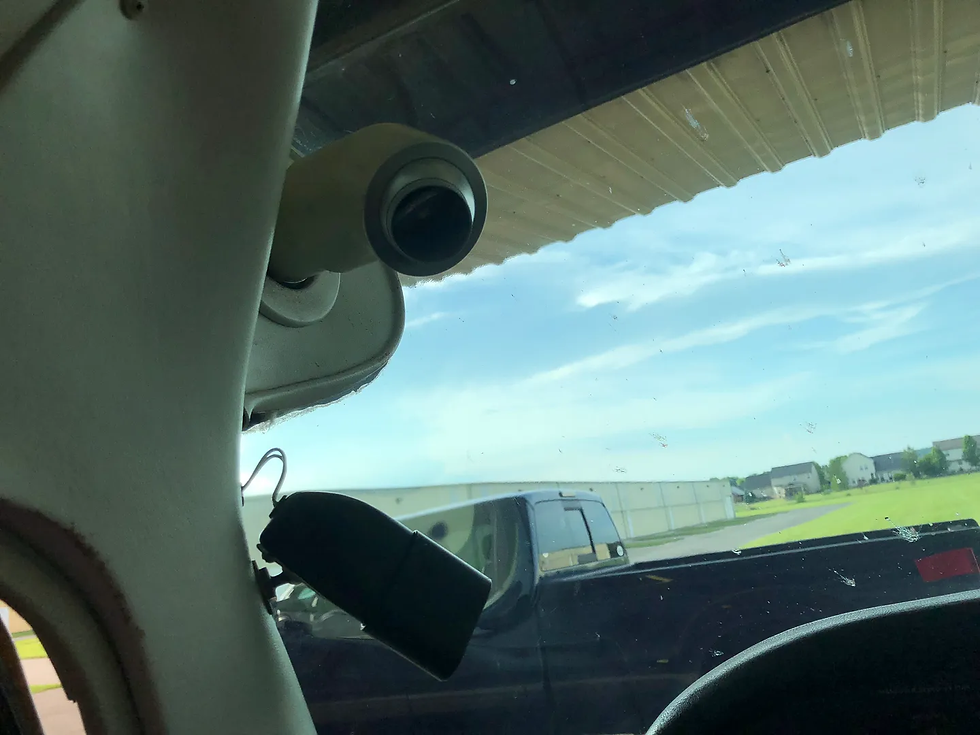
Operations of Environmental Controls Review the use of the aircraft’s environmental controls, specifically the air vents and cabin heat. Show passengers how to operate their individual air vents, and during winter operations, explain that cabin heat will become available once the engine has warmed up. In some aircraft, it’s also helpful to mention that air vents may rattle during taxi, reassuring passengers that this is normal and not a cause for concern.
Operation of Controls

If you have a passenger seated in the co-pilot seat, review the operation of the primary flight controls. At a minimum, cover the following points:
Keep feet clear of the rudder pedals
Keep hands and knees clear of the yoke
This briefing is essential, as numerous aviation accidents have occurred due to passengers inadvertently pressing a rudder pedal or interfering with the yoke.
Heatsets and Volumes
Often, passengers will put on their headsets before the master switch is even turned on. I explain that their headsets won’t work until I let them know (after the engine is running and the avionics master is on). I also show them how to adjust their headset volume and remind them that the volume control affects only their headset, not mine. This helps ensure they’re comfortable making adjustments as needed during the flight.
Communicating with Air Traffic Control
Always ensure your passengers know the aircraft call sign and its phonetic pronunciation (for example, “we are flying Foxtrot Bravo Echo Mike”). Let them know that if they hear the call sign or you begin speaking on the radio, that is their cue to stop talking.
Traffic/Situational Awareness
Similar to reviewing the operation of the controls, I also consider an overview of situational awareness to be essential. At this point in the briefing, I briefly restate the mission and highlight any potential threats we may encounter.
At my home airport, once we exit the control zone, we operate in Class E airspace, which is often busy with both training and recreational traffic. I remind passengers that if they see another aircraft, drone, bird, or any other potential hazard, they should let me know as it’s entirely possible that I haven’t seen it yet. In short: if you see something, say something.
Checklist and Take Off Briefing
This is a section I added to my passenger briefing based on direct feedback from passengers. Shortly after earning my PPL, I was flying with friends, and like most first-time passengers, it was their first time in a small aircraft. While pilots understand the importance of checklists and why we use them on every flight, my passengers were surprised to see just how checklist-driven aviation is. Although it didn’t make them nervous, it gave the impression that I might not know how to start the aircraft without one. Since then, I make a point of briefing passengers that checklists are a standard, professional practice used on every flight.
The same concept applies to the standard takeoff briefing, which can also catch passengers off guard. A typical takeoff brief might sound something like this:
We’ll be departing runway XX and can expect a left/right turn after takeoff. While in the control zone, we’ll remain at or below XX feet. If I’m not happy with anything during the takeoff roll, we’ll abort and taxi back to the club. If we don’t have 55 knots by XX, we’ll abort the takeoff. In the event of an engine failure below 1,000 feet, we’ll land straight ahead in any suitable area. Above 1,000 feet, we’ll consider turning back to the airport. Any questions?
While this is a standard and necessary briefing, discussing aborted takeoffs and engine failures can understandably make passengers uneasy. To address this, I explain during the passenger briefing that these procedures are routine and reviewed on every flight, not because we expect a problem, but to ensure we always have a clear plan.
Entire Briefing
Below is the standard passenger briefing I use on every flight. It includes the items required under the Canadian Aviation Regulations (CARs), as well as additional recommended best practices. I adjust this briefing as needed based on the specific mission of the flight (such as overwater operations, use of supplemental oxygen, and other considerations).

A well-delivered passenger briefing is more than a regulatory requirement, it sets the tone for the entire flight. Clear communication builds trust, reduces anxiety, and helps passengers feel at ease. By explaining what to expect, why certain procedures are followed, and how passengers can contribute to safety, you create a more relaxed and enjoyable experience for everyone on board.
As pilots, we often forget how unfamiliar aviation can be for our passengers. Taking a few extra minutes to brief thoughtfully demonstrates professionalism and good airmanship, while ensuing that safety, comfort, and confidence remain priorities.
Wishing you safe flights, blue skies, and tailwinds.✈️
-Flaps Full Aviation


Comments