
Textbooks
Recommended books and manuals covering core flight training topics, theory, procedures, and aeronautical knowledge.

For aspiring pilots and aviation students, a strong theoretical foundation is just as essential as flight time in the cockpit. While simulators and flight instructors guide practical skills, textbooks provide the structured knowledge needed to understand aerodynamics, weather, regulations, navigation, and flight procedures. Whether preparing for Transport Canada exams or deepening aviation understanding, the right texts can make complex concepts clear and accessible. Below are key aviation textbooks widely used in Canadian flight training.

Textbooks
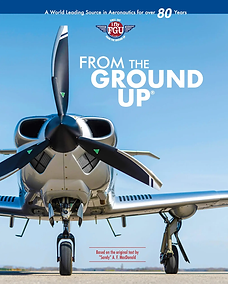
✈️From the Ground Up
From the Ground Up has been a cornerstone of Canadian pilot training for decades and is often referred to as the “bible” of ground school. It offers comprehensive coverage of aviation essentials, including aircraft systems, theory of flight, aeronautical regulations, meteorology, navigation, radio communications, human factors, and air safety. The book’s well-structured chapters, diagrams and charts, and practice exams make it a go-to resource for both Private and Commercial Pilot Licence students and a respected reference for instructors.
Many ground schools in Canada reference FTGU, and some even require it as assigned reading material.
✈️Flight Training Manual
The Flight Training Manual serves as a practical companion to ground school theory by outlining the maneuvers and procedures pilots are expected to master during flight instruction. Often used alongside From the Ground Up in Canadian flight schools, this manual details the standard profiles and criteria for routine and emergency flight exercises, aligning with Transport Canada’s syllabus. Its systematic presentation helps students bridge the gap between academic knowledge and hands-on flying skills.
Students are strongly encouraged to review the applicable exercise in the Flight Training Manual prior to their lesson. Arriving with a solid understanding of the exercise allows the instructor to focus on refining your air work, rather than introducing the material for the first time.

Canadian Aviation Weather
Canadian Aviation Weather is a dedicated meteorology textbook tailored for pilots. Authored by Doug Morris, an Air Canada Captain and Certified Meteorologist, the book breaks down weather theory and practical forecasting into pilot-relevant terms, helping readers understand atmospheric processes, weather systems, and how to interpret weather products. With detailed chapters on key meteorological concepts and numerous illustrations, this title supports both exam preparation and real-world weather decision-making in flight planning.
I strongly recommend Canadian Aviation Weather for any pilot seeking a deeper understanding of aviation weather beyond what is typically covered in ground school. It provides clear explanations of meteorological concepts and helps pilots develop the practical weather-analysis skills needed for sound decision-making.

✈️Flight Test Notes
Flight Test Notes is a focused preparation guide for pilots approaching their Transport Canada flight test. It walks readers step-by-step through every exercise likely to be encountered during the practical exam, from pre-flight inspection to speciality take-offs, on-route procedures, steep turns, stalls, and specialty landings. The book also includes common examiner questions, expected performance standards, “do’s and don’ts,” and strategies for avoiding typical mistakes, making it an invaluable confidence-builder for both PPL and CPL candidates.
In addition to the Transport Canada Flight Test Guide (which all candidates must review and be thoroughly familiar with), I strongly recommend that both PPL and CPL candidates purchase, study, and know the contents of this book well. While flight tests are not easy, they should never be a surprise. Thorough preparation using your CFI, the Transport Canada Flight Test Guide, and Flight Test Notes will set you up for success on any flight test.
